Pelvic Floor Care After Birth: What New Parents Should Know
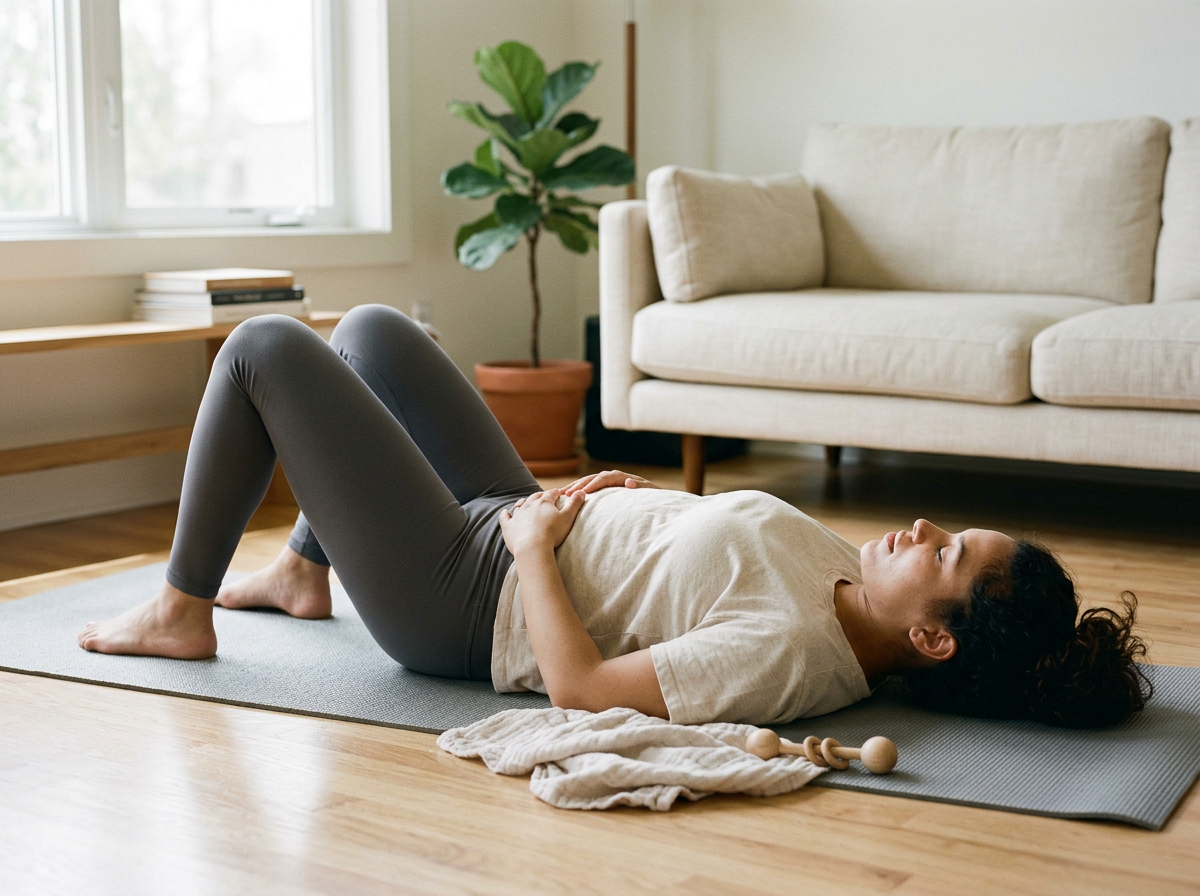
After having a baby, so much attention naturally shifts to the newborn—feeding, sleeping, diaper changes, and learning your baby’s cues. But your body has been through an incredible amount of change, too, and it deserves care and attention during the postpartum period. One area that is often overlooked is the pelvic floor.
What Is the Pelvic Floor?

Muscles of the Pelvic Floor The pelvic floor muscles support the pelvic organs, resist intra-abdominal pressure, and work as sphincters for the urethra, rectum, and vagina.
Muscles of the pelvic floor. Image: OpenStax, licensed under CC BY 4.0.
Pregnancy places increased pressure on the pelvic floor as your baby grows. Labor and birth can create additional changes, but pelvic floor concerns are not limited to people who have vaginal births. Pregnancy itself affects the muscles, tissues, posture, and pressure within the abdomen and pelvis, so pelvic floor recovery can be important after both vaginal and Cesarean births.
Common Postpartum Pelvic Floor Changes
Every person's recovery is different. Some people experience few pelvic floor concerns after birth, while others notice changes that affect daily life.
These may include:
Leaking urine when coughing, sneezing, laughing, or exercising
A feeling of heaviness or pressure in the pelvis
Difficulty controlling gas or bowel movements
Pelvic, hip, or lower-back discomfort
Pain during sex
Difficulty comfortably returning to exercise or other activities
These symptoms may be common after pregnancy and birth, but that doesn't mean you simply have to live with them.
Pelvic Floor Care Is More Than Kegels
Kegel exercises are often the first thing that comes to mind when we think about pelvic floor recovery. While pelvic floor exercises can be helpful for many people after pregnancy and birth, postpartum recovery isn't one-size-fits-all.
Your body has experienced significant changes throughout pregnancy and childbirth, and your recovery needs may be different from someone else's. If you're experiencing leaking, pelvic pressure, pain, or other symptoms—or simply aren't sure how to safely support your recovery—talk with your healthcare provider.
A pelvic floor physical therapist can evaluate your individual needs and recommend exercises and strategies that are appropriate for your body and recovery. Rather than assuming you just need to "do more Kegels," getting individualized guidance can help you better understand what your body needs.
Supporting Your Body During Postpartum Recovery
Healing takes time. In the early postpartum weeks, gentle care can make a meaningful difference. Rest when you're able, avoid pushing yourself to return to strenuous exercise before your body is ready, pay attention to comfortable positioning when feeding and caring for your baby, and ask for help with tasks that place unnecessary strain on your recovering body.
Most importantly, pay attention to what your body is telling you. Pain, leaking, pressure, or discomfort shouldn't be dismissed simply because you've recently had a baby.
Postpartum recovery isn't something that needs to be rushed.
Your body spent months growing and carrying a baby, and birth brings another major physical transition. Giving yourself time, support, nourishment, and appropriate professional care is part of postpartum healing, not an indulgence.
Primary Source: https://pubmed.ncbi.nlm.nih.gov/37849316/
The information provided by Steady Bloom Family Support is for educational purposes only and is not a substitute for medical advice, diagnosis, or treatment. Always contact your healthcare provider with questions or concerns about your health.